


Things To Do In Back Bay, Boston: Complete 2026 Guide
Few neighborhoods capture the spirit of Boston quite like Back Bay. Known for its elegant Victorian brownstones, world-famous architecture, luxury shopping, historic landmarks, and vibrant dining scene, Back Bay offers visitors an unforgettable mix of history, culture, and modern city life. Whether you're visiting Boston for the first time or returning to explore more of the city, this neighborhood deserves a place on your itinerary.
Stretching from Copley Square to the Charles River Esplanade, Back Bay is home to many of Boston's most recognizable attractions, including Trinity Church, the Boston Public Library, Newbury Street, the Prudential Center, and the city's famous brownstone-lined streets. Thanks to its compact layout, most attractions are within walking distance, making it one of the easiest neighborhoods to explore on foot.
Back Bay is also an excellent starting point for discovering other iconic Boston destinations. From here, visitors can easily continue to Beacon Hill, Boston Common, the Freedom Trail, Fenway Park, and the South End, making it a central hub for sightseeing throughout the city.
Whether you're interested in history, architecture, shopping, outdoor recreation, fine dining, or photography, this guide covers everything you need to plan your visit including the best attractions, hidden gems, seasonal activities, travel tips, nearby neighborhoods, and practical advice for making the most of your time in Back Bay.
Top Landmarks & Attractions In Back Bay
Back Bay packs an extraordinary number of world-famous landmarks into a relatively compact neighborhood. Although you can walk across Back Bay in less than thirty minutes, you'll likely want to spend an entire day exploring its museums, historic buildings, shopping streets, and public spaces. These attractions form the heart of every Back Bay itinerary.
Copley Square: The Historic Heart of Back Bay
If you're wondering where to begin exploring Back Bay, Copley Square is the perfect starting point. Surrounded by some of Boston's most recognizable buildings, this historic public square has served as the neighborhood's cultural and civic center since the nineteenth century.
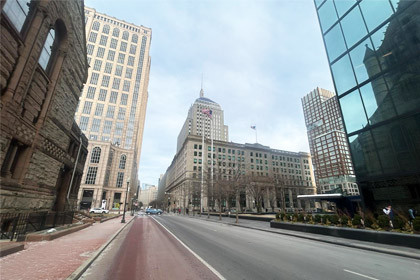
Named after renowned Boston painter John Singleton Copley, the square brings together historic architecture and modern city life. Standing in the center, you'll find yourself surrounded by the magnificent Trinity Church, the historic Boston Public Library, and the striking glass facade of 200 Clarendon (formerly the John Hancock Tower). This dramatic contrast between nineteenth-century architecture and contemporary design has made Copley Square one of Boston's most photographed locations.
Throughout the year, Copley Square hosts seasonal events that attract both locals and visitors. During the warmer months, the popular Copley Square Farmers Market features fresh produce, flowers, artisan foods, and local crafts. Every April, the square becomes internationally recognized as the finish line of the Boston Marathon, where thousands of runners complete one of the world's most prestigious races.
Visitors can enjoy the landscaped gardens, public seating, and nearby cafes while taking in the surrounding architecture. It's also one of the best places to begin a walking tour of Back Bay, with most major attractions located just a few minutes away.
Visitor Tip: Visit during the morning for quieter streets or return in the late afternoon when the warm sunlight beautifully illuminates Trinity Church and reflects off the neighboring skyscrapers.
Trinity Church: Boston's Architectural Masterpiece
Dominating the western side of Copley Square, Trinity Church is one of the most important examples of Richardsonian Romanesque architecture in the United States. Designed by acclaimed architect Henry Hobson Richardson and completed in 1877, the church influenced the design of countless public buildings across North America.
Its distinctive red sandstone exterior, massive central tower, decorative arches, and intricate carvings immediately capture visitors' attention, but the interior is equally impressive. Inside, you'll discover soaring vaulted ceilings, remarkable stained-glass windows created by artists including Edward Burne-Jones, and richly decorated murals that cover much of the sanctuary.
Although Trinity Church is one of Boston's most visited landmarks, it remains an active Episcopal parish that continues to host regular worship services, concerts, and community events. Visitors are welcome throughout the week outside scheduled services, and guided tours provide fascinating insights into the building's history, architecture, and artistic significance.
Photography enthusiasts often consider Trinity Church one of the city's best subjects. One of the most iconic views can be seen from Copley Square, where the reflective glass surface of 200 Clarendon mirrors the church's historic facade, a striking image that perfectly captures Back Bay's blend of old and new.
Visitor Tip: If your schedule allows, attend one of the church's free Friday lunchtime organ recitals for a memorable musical experience inside this historic landmark.
Boston Public Library: America's First Great Free Public Library
Directly across from Trinity Church stands the Boston Public Library, one of the nation's most significant cultural institutions. Established in 1848 as the first large free municipal library in the United States, it was founded on the revolutionary principle that knowledge should be accessible to everyone, regardless of background.
The library's historic McKim Building is widely regarded as one of the finest examples of Beaux-Arts architecture in America. Behind its elegant stone facade lies a remarkable interior featuring marble staircases, grand reading rooms, Renaissance-inspired courtyards, and breathtaking murals by celebrated American artist John Singer Sargent.
One of the library's most beloved spaces is its tranquil Italian-style courtyard. Surrounded by graceful arches and centered around a beautiful fountain, it offers visitors a peaceful retreat from the busy streets outside. Many travelers consider it one of Boston's hidden gems, despite its location in the heart of Back Bay.
Beyond its architectural beauty, the library houses more than 24 million books, manuscripts, maps, photographs, and rare historical collections, including a Gutenberg Bible and early editions of Shakespeare's works.
Admission to both the historic building and courtyard is free, making the Boston Public Library one of the best free attractions in Back Bay. Guided tours are also available for visitors interested in learning more about its history, art, and architecture.
Don't Miss: Visit the famous Bates Hall Reading Room, known for its soaring coffered ceiling, green reading lamps, and long oak tables that have welcomed generations of scholars and visitors.
200 Clarendon (Formerly John Hancock Tower): Boston's Modern Icon
Towering above Copley Square, 200 Clarendon, formerly known as the John Hancock Tower, is the tallest building in New England and one of Boston's defining skyline landmarks. Designed by world-renowned architect I. M. Pei, the sleek glass skyscraper transformed Boston's skyline when it was completed in 1976.
Rather than relying on decorative architecture, the tower's minimalist blue-glass exterior creates its own visual impact by reflecting the surrounding cityscape. On clear afternoons, visitors can often see a near-perfect reflection of Trinity Church across its mirrored facade, creating one of the city's most recognizable architectural photographs.
200 Clarendon had its own public observation deck for several decades, but it closed permanently after September 11, 2001, over security concerns, and it has not reopened to visitors since. The building remains an essential stop on any Back Bay walking tour thanks to its striking architecture and prime location near Copley Square, Newbury Street, and the Prudential Center.
The surrounding area is filled with restaurants, cafes, hotels, and shopping destinations, making it an ideal place to continue exploring after visiting the square.
Photography Tip: The best photographs of 200 Clarendon are taken from the center of Copley Square during the afternoon, when sunlight creates dramatic reflections across the building's glass exterior.
Outdoor Activities In Back Bay: Parks, River Walks & Open Spaces
Back Bay isn't just known for its elegant architecture and shopping streets. It's also home to some of Boston's most beautiful outdoor spaces, where visitors can enjoy scenic walks, riverside views, cycling, boating, and seasonal events. Whether you're looking to relax after sightseeing or experience Boston like a local, these green spaces offer the perfect escape from the city's busy streets.
Charles River Esplanade: Boston's Favorite Waterfront Escape
Stretching along the northern edge of Back Bay, the Charles River Esplanade is one of Boston's most popular outdoor destinations. This picturesque waterfront park extends for miles beside the Charles River, providing spectacular skyline views, tree-lined walking paths, cycling routes, and plenty of places to relax.
Throughout the day, you'll find joggers, cyclists, families, students, and visitors enjoying the park. During warmer months, the Esplanade becomes especially lively as people picnic on the lawns, paddle kayaks, or simply watch sailboats drift across the river.
One of the park's most popular attractions is Community Boating, America's oldest public sailing organization, where visitors can rent kayaks, paddleboards, or sailboats with little or no previous experience. Exploring Boston from the water offers a completely different perspective of the city's skyline.
The Esplanade is also home to the famous Hatch Memorial Shell, an outdoor concert venue that hosts free performances throughout the summer. Every Independence Day, thousands gather here to enjoy the legendary Boston Pops Fireworks Spectacular, one of the largest Fourth of July celebrations in the United States.
Visitor Tip: Visit about an hour before sunset to enjoy some of the most beautiful views in Boston as the evening light reflects across the Charles River.
Commonwealth Avenue Mall: Back Bay's Historic Promenade
Running through the center of Commonwealth Avenue, the Commonwealth Avenue Mall is one of the most elegant urban parks in the country. This beautifully landscaped promenade stretches for several blocks beneath a canopy of mature elm trees, surrounded by Back Bay's iconic Victorian brownstones.
Walking here feels like stepping back into nineteenth-century Boston. Bronze statues honoring historical figures line the pathway, while benches and flower beds create a peaceful atmosphere that contrasts with nearby Boylston Street and Newbury Street.
The Mall is especially beautiful during autumn, when vibrant fall foliage transforms the neighborhood into one of Boston's most photogenic destinations. Spring also brings colorful flowers that make it a favorite location for leisurely walks and photography.
Because the Mall connects several important streets, it's an excellent route for visitors exploring Back Bay on foot.
Boston Public Garden: America's First Public Botanical Garden
Although located on the border of Back Bay and Beacon Hill, the Boston Public Garden is only a short walk from Copley Square and is often included in every Back Bay itinerary.
Established in 1837, it was the first public botanical garden in the United States and remains one of Boston's most beloved attractions. Beautiful flower displays, winding pathways, ornamental bridges, and peaceful lagoons create a relaxing atmosphere throughout the year.
Families especially enjoy the famous Swan Boats, which have operated on the garden's lagoon since 1877 and continue to delight visitors every spring and summer. Another must-see attraction is the beloved Make Way for Ducklings sculpture, inspired by Robert McCloskey's classic children's book.
Seasonal beauty makes every visit unique. Spring features colorful tulips and flowering trees, summer brings lush gardens, autumn showcases vibrant foliage, and winter transforms the park into a peaceful snow-covered landscape.
Free Things To Do In Back Bay
One of the best things about visiting Back Bay is that many of its top attractions can be enjoyed completely free of charge. Whether you're traveling on a budget or simply prefer exploring on foot, you'll find plenty of memorable experiences without purchasing admission tickets.
Some of the best free activities include:
- Relax in Copley Square while admiring Boston's historic architecture.
- Explore the Boston Public Library, including its stunning Italian-style courtyard.
- Walk the full length of Newbury Street and browse its unique storefronts.
- Stroll beneath the trees along Commonwealth Avenue Mall.
- Enjoy scenic river views at the Charles River Esplanade.
- Visit the Boston Public Garden and photograph the famous Swan Boats.
- Admire Back Bay's beautifully preserved Victorian brownstones.
- Explore public art installations and seasonal displays throughout the neighborhood.
These attractions make Back Bay one of Boston's most rewarding neighborhoods for visitors who enjoy self-guided walking tours.
Shopping In Back Bay: From Newbury Street To The Prudential Center
Back Bay has long been recognized as Boston's premier shopping district. From luxury designer brands and international retailers to independent bookstores, art galleries, and local boutiques, the neighborhood offers one of the most diverse shopping experiences in New England.
Whether you're searching for high-end fashion, locally crafted gifts, home decor, or unique souvenirs, you'll find everything within a few walkable blocks.
Newbury Street: Boston's Most Famous Shopping Destination
No visit to Back Bay is complete without exploring Newbury Street. Stretching for eight blocks between Arlington Street and Massachusetts Avenue, this iconic shopping street combines historic brownstone architecture with some of Boston's best retail experiences.
The eastern end of the street features internationally recognized luxury brands, while the western blocks become increasingly eclectic, offering vintage stores, independent boutiques, local designers, specialty bookstores, and neighborhood cafes.
Beyond shopping, Newbury Street is also known for its sidewalk cafes, seasonal outdoor dining, public art galleries, and lively atmosphere. Many visitors enjoy simply wandering the street, stopping to browse shop windows or relax with a coffee while watching city life unfold.
Prudential Center & Copley Place
For visitors who prefer indoor shopping, the Prudential Center and Copley Place offer a wide selection of premium retailers, restaurants, cafes, and entertainment options. Inside the Prudential Center, Eataly Boston occupies several floors with an Italian marketplace, multiple restaurants, and a cooking school, a popular stop for food lovers as well as shoppers.
The Prudential Tower is also home to View Boston, a three-floor observatory that opened in 2023 with indoor viewing levels and an open-air Cloud Terrace looking out over the city skyline, a more current alternative to the building's earlier Skywalk Observatory.
These connected shopping destinations feature well-known international brands alongside luxury fashion stores, making them ideal during colder months or rainy days. Their central location also allows visitors to combine shopping with nearby attractions such as Copley Square and the Boston Public Library.
Local Boutiques & Independent Shops
While major retailers attract many visitors, Back Bay's independent businesses add much of the neighborhood's charm.
Hidden among the brownstones are:
- Independent bookstores
- Local fashion boutiques
- Art galleries
- Home decor stores
- Specialty gift shops
- Artisan jewelry stores
Taking time to explore these smaller businesses often leads to some of the neighborhood's most memorable discoveries.
Why Visit Back Bay?
Back Bay is one of Boston's most iconic neighborhoods because it combines historic charm with modern city attractions in one walkable district. Visitors can admire nineteenth-century architecture, explore nationally significant landmarks, browse designer boutiques along Newbury Street, enjoy waterfront walks beside the Charles River, and experience some of the city's finest restaurants and cultural institutions all within a relatively small area.
Unlike neighborhoods focused on a single attraction, Back Bay offers something for nearly every type of traveler. History enthusiasts can explore architectural masterpieces like Trinity Church and the Boston Public Library, while shoppers will find everything from luxury fashion brands to locally owned boutiques along Newbury Street. Outdoor lovers can relax at the Charles River Esplanade, and food enthusiasts will discover everything from casual cafes to award-winning restaurants.
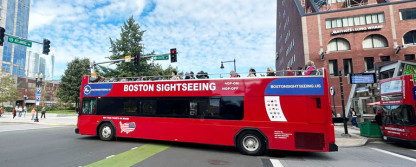
Its central location also makes Back Bay an ideal base for exploring the rest of Boston. Many visitors begin their day here before continuing to neighborhoods such as Beacon Hill, Charlestown, Cambridge, or the North End, and Boston Common sits just a short walk from Copley Square as well. If you're planning to visit several attractions during your stay, a Boston Sightseeing Hop-On Hop-Off Tour provides a convenient way to connect many of the city's most popular destinations while exploring at your own pace.
Where To Eat In Back Bay
Back Bay is one of Boston's top culinary destinations, offering everything from casual cafes and neighborhood bakeries to award-winning restaurants and fine dining experiences.
Whether you're grabbing breakfast before sightseeing, enjoying lunch between museum visits, or planning an elegant dinner after exploring Newbury Street, you'll find dining options for every budget and taste.
Best Cafes & Coffee Shops
Back Bay's cafes are perfect places to recharge during a day of sightseeing. Many offer outdoor seating where visitors can enjoy coffee while watching the neighborhood come alive.
Popular choices range from artisan coffee houses to European-style bakeries serving fresh pastries, sandwiches, and locally roasted coffee.
Fine Dining
Visitors looking for an upscale dining experience will find several acclaimed restaurants throughout Back Bay. Many specialize in contemporary American cuisine, fresh New England seafood, premium steaks, and internationally inspired menus.
Because many restaurants are located within walking distance of Newbury Street and Copley Square, it's easy to combine dinner with an evening stroll through the neighborhood.
Casual Dining
Travelers seeking more relaxed options will find a wide selection of casual restaurants serving burgers, pizza, pasta, Asian cuisine, tacos, Mediterranean dishes, and vegetarian meals.
Many restaurants also offer outdoor patios during warmer months, creating a lively atmosphere that reflects Back Bay's vibrant street life.
Dining and cafe categories above are current as of this guide's last update; specific restaurant names and hours should be confirmed directly before your visit, since openings and closures happen year-round in a dining scene this active.
Nightlife In Back Bay
After sunset, Back Bay transforms into one of Boston's liveliest entertainment districts. Elegant cocktail lounges, rooftop bars, wine bars, live music venues, and stylish restaurants attract both locals and visitors throughout the week.
Whether you're looking for a quiet evening drink or a lively night out, Back Bay offers plenty of options within walking distance.
Rooftop Bars & Cocktail Lounges
Several hotels and restaurants feature rooftop terraces where guests can enjoy panoramic views of Boston's skyline while sipping handcrafted cocktails.
These venues are particularly popular during summer evenings and offer a relaxed atmosphere after a day of sightseeing.
Live Music & Performing Arts
Back Bay's cultural scene extends well beyond museums. Nearby Symphony Hall regularly hosts performances by the world-renowned Boston Symphony Orchestra, while Berklee College of Music presents concerts featuring talented musicians from around the world.
The neighborhood is also conveniently located near Boston's Theater District, making it easy to enjoy Broadway-style productions, comedy shows, and live performances after exploring Back Bay.
Continue Exploring Boston
Back Bay is often the highlight of a Boston itinerary, but it's only one part of the city's rich cultural landscape. Many visitors continue their journey to Beacon Hill, Boston Common, the Freedom Trail, Fenway Park, Charlestown, or Cambridge after spending the day here.
If you're planning to visit multiple neighborhoods, Boston Sightseeing's Hop-On Hop-Off Tour offers a convenient way to travel between many of Boston's most popular attractions while giving you the flexibility to explore each destination at your own pace.
Things To Do In Back Bay With Kids
Back Bay is one of Boston's most family-friendly neighborhoods, offering a mix of outdoor parks, interactive attractions, museums, and open spaces that children and adults can enjoy together. Thanks to its walkable streets and convenient public transportation, families can comfortably explore several attractions in a single day without needing a car.
Whether you're traveling with toddlers, school-aged children, or teenagers, Back Bay provides plenty of opportunities to balance sightseeing with fun, educational experiences.
Ride the Famous Swan Boats
A visit to the nearby Boston Public Garden isn't complete without riding the historic Swan Boats. Operating since 1877, these pedal-powered boats glide across the lagoon, offering families a relaxing way to experience one of Boston's most beautiful parks.
Children also love visiting the nearby Make Way for Ducklings statues, inspired by Robert McCloskey's beloved children's book. It's one of the city's most photographed family attractions.
Explore the Boston Public Library
The Boston Public Library isn't just for book lovers. Families can admire its grand architecture, explore the peaceful courtyard, and participate in seasonal children's programs or guided tours when available.
Its spacious interior also makes it an excellent stop during rainy days.
Enjoy the Charles River Esplanade
The Charles River Esplanade provides plenty of space for children to run, bike, or simply enjoy the outdoors. Families often bring picnics, rent bikes, or watch sailboats and kayakers on the river.
During summer, free concerts and community events make the Esplanade even more enjoyable for visitors of all ages.
Visit Nearby Museums
Back Bay's central location places families close to several world-class museums, including the Museum of Fine Arts and the Isabella Stewart Gardner Museum, both of which regularly offer family-friendly programs and educational exhibits.
Family Dining
Many Back Bay restaurants welcome families with children's menus, casual dining environments, and outdoor seating. Newbury Street also offers numerous cafes and bakeries that make ideal stops for snacks or desserts during a day of sightseeing.
Family Tip: Plan at least five to six hours if you're combining Back Bay with the Boston Public Garden or nearby museums to allow plenty of time for breaks and outdoor play.
Hidden Gems In Back Bay
While famous landmarks attract most visitors, Back Bay is filled with lesser-known places that reward travelers willing to wander beyond the main streets. These hidden gems offer a quieter, more local perspective on one of Boston's most elegant neighborhoods.
Gibson House Museum
Hidden along Beacon Street, the Gibson House Museum preserves the lifestyle of an upper-class Boston family during the nineteenth century. Unlike many historic homes, much of its original furniture and decor remain intact, providing visitors with an authentic glimpse into Victorian Boston.
The Mapparium
Inside the Christian Science Plaza, at the Mary Baker Eddy Library, the Mapparium is a three-story stained-glass globe visitors walk through on a glass bridge, showing the world exactly as it was mapped in 1935. It's one of Back Bay's more unusual attractions and a favorite discovery for visitors who venture a few blocks off Newbury Street.
Commonwealth Books
Book lovers shouldn't miss Commonwealth Books, an independent bookstore known for its extensive collection of rare, used, and vintage books. The cozy interior and knowledgeable staff make it one of Back Bay's favourite hidden treasures.
Marlborough Street
While Newbury Street attracts the crowds, nearby Marlborough Street showcases some of Back Bay's most beautiful brownstone homes in a much quieter setting. Walking here allows visitors to appreciate the neighborhood's elegant architecture without the busy shopping atmosphere.
Quiet Courtyards & Side Streets
Throughout Back Bay, visitors will discover charming hidden courtyards, landscaped alleyways, historic lamp posts, and beautifully maintained residential gardens. Simply wandering away from the main avenues often reveals some of the neighborhood's most memorable photo opportunities.
Local Art Galleries
Back Bay is home to numerous independent galleries showcasing contemporary paintings, photography, sculpture, and local artists. Many galleries welcome visitors free of charge, making them excellent stops while exploring Newbury Street.
Best Photo Spots In Back Bay
Back Bay is one of Boston's most photogenic neighborhoods, offering everything from historic churches and elegant brownstones to modern skyscrapers and scenic waterfront views.
If you're planning to capture memorable photographs, these locations deserve a place on your itinerary.
Trinity Church & Copley Square
The combination of historic Trinity Church and the reflective glass facade of 200 Clarendon creates one of Boston's most iconic architectural photographs.
Morning and late afternoon provide the best lighting conditions.
Boston Public Library Courtyard
The peaceful Renaissance-style courtyard inside the Boston Public Library offers beautiful arches, fountains, seasonal flowers, and elegant architecture.
It's also one of Boston's most underrated photography locations.
Newbury Street
Historic brownstones, boutique storefronts, outdoor cafes, and tree-lined sidewalks make Newbury Street one of Boston's most photographed shopping streets throughout the year.
Commonwealth Avenue Mall
During autumn, colourful foliage transforms Commonwealth Avenue Mall into one of the city's best places for seasonal photography.
Spring flowers and winter snowfall also create spectacular scenery.
Charles River Esplanade
Sunset along the Charles River offers panoramic views of Boston's skyline reflected across the water.
Many photographers consider this one of the city's finest golden-hour locations.
Where To Stay In Back Bay
Back Bay is one of the most convenient neighborhoods for visitors looking to stay in the heart of Boston. Its central location, excellent public transportation, and proximity to many major attractions make it a popular choice for first-time visitors, business travelers, and families alike.
Luxury Hotels
Visitors seeking premium accommodations will find several luxury hotels near Copley Square and Newbury Street offering elegant rooms, rooftop dining, spa facilities, and easy access to Back Bay's major attractions.
Many also provide beautiful views of Boston's skyline.
Boutique Hotels
Back Bay's historic brownstone buildings have been converted into charming boutique hotels that combine classic Boston architecture with modern amenities.
These smaller properties offer a more intimate experience while placing visitors within walking distance of shopping, restaurants, and museums.
Family-Friendly Accommodations
Families often choose hotels near Copley Square or the Prudential Center because they provide spacious rooms, convenient dining options, and easy access to parks and public transportation.
Hotel categories above reflect what's generally available in Back Bay; specific property names, rates, and availability change frequently and should be checked directly before booking.
Nearby Attractions Worth Visiting
Back Bay's central location makes it easy to continue exploring many of Boston's most famous attractions.
Boston Common
America's oldest public park offers walking paths, historic monuments, seasonal events, and direct access to the Freedom Trail.
Beacon Hill
Known for its gas-lit streets, Federal-style homes, and the famous Acorn Street, Beacon Hill is one of Boston's most picturesque historic neighborhoods.
Fenway Park
Home of the Boston Red Sox, Fenway Park remains one of baseball's most iconic stadiums and is located just a short distance from Back Bay.
Museum of Fine Arts
One of the largest art museums in North America, the Museum of Fine Arts features thousands of works spanning ancient civilizations to contemporary masterpieces.
Symphony Hall
Widely regarded as one of the world's finest concert halls, Symphony Hall hosts performances by the internationally acclaimed Boston Symphony Orchestra throughout the year.
South End
The South End is known for its Victorian architecture, vibrant restaurant scene, local art galleries, and charming tree-lined streets, offering a different perspective on Boston's cultural life.
Best Time To Visit Back Bay
Back Bay is a year-round destination, but each season offers a different experience. Whether you're interested in outdoor festivals, colorful gardens, holiday shopping, or scenic walks along the Charles River, there's never a bad time to visit. The best season ultimately depends on the type of experience you're looking for.
Spring (March-May)
Spring is one of the most beautiful times to explore Back Bay. As the weather begins to warm, tulips bloom throughout the Boston Public Garden, outdoor cafes reopen along Newbury Street, and the Charles River Esplanade comes alive with walkers, runners, and cyclists.
One of the season's biggest highlights is the Boston Marathon, which finishes at nearby Copley Square every April. Even if you're not participating, the atmosphere throughout Back Bay is unforgettable.
Best for:
- Comfortable walking weather
- Spring flowers
- Boston Marathon festivities
- Outdoor dining
- Photography
Summer (June-August)
Summer is Back Bay's busiest tourism season. Visitors enjoy long daylight hours, rooftop dining, river activities, and numerous outdoor concerts and festivals.
The Charles River Esplanade becomes one of Boston's most popular gathering places, while Newbury Street buzzes with outdoor shopping and sidewalk cafes.
Families also take advantage of nearby attractions such as the Swan Boats and Boston Public Garden.
Best for:
- Waterfront activities
- Outdoor events
- Shopping
- Evening walks
- Family vacations
Fall (September-November)
Many locals consider autumn the perfect time to visit Back Bay. Cooler temperatures and colorful foliage transform Commonwealth Avenue Mall, the Public Garden, and surrounding streets into spectacular walking destinations.
Fall also offers comfortable sightseeing conditions, making it easier to explore museums, restaurants, and shopping districts without the large summer crowds.
Best for:
- Fall foliage
- Walking tours
- Photography
- Comfortable temperatures
- Outdoor cafes
Winter (December-February)
Winter gives Back Bay a completely different atmosphere. Holiday lights decorate Newbury Street, luxury retailers create festive window displays, and nearby shopping centers become popular seasonal destinations.
Although temperatures can be cold, museums, restaurants, cafes, and indoor attractions provide plenty to do throughout the season.
Visitors planning holiday shopping often find December especially enjoyable.
Best for:
- Holiday shopping
- Seasonal decorations
- Museums
- Winter photography
- Cozy cafes
One-Day Back Bay Itinerary
If you only have one day to explore Back Bay, this itinerary allows you to experience the neighborhood's highlights while leaving time to continue exploring other parts of Boston.
Morning
Start your day at Copley Square, where you can admire Trinity Church, visit the historic Boston Public Library, and enjoy breakfast at a nearby cafe.
After exploring the library's beautiful courtyard, take time to photograph the striking contrast between Trinity Church and the reflective glass facade of 200 Clarendon.
Late Morning
Walk along Newbury Street, browsing boutiques, bookstores, galleries, and specialty shops.
Take your time exploring the neighborhood's side streets, where you'll discover historic brownstones and quieter residential areas.
Lunch
Choose from one of Back Bay's many restaurants, whether you're in the mood for fresh seafood, Italian cuisine, casual dining, or an outdoor cafe.
Afternoon
Spend the afternoon walking through the Commonwealth Avenue Mall before continuing to the Charles River Esplanade for scenic waterfront views.
If time allows, visit the Prudential Center, nearby museums, or the Isabella Stewart Gardner Museum.
Evening
End your day with dinner in Back Bay before enjoying a sunset walk along the Charles River or relaxing at one of the neighborhood's rooftop bars.
If you're continuing your Boston adventure, this is a great time to explore nearby neighborhoods like Beacon Hill, the North End, or Charlestown.
Accessibility & Visitor Tips
Back Bay is one of Boston's most accessible neighborhoods, making it easy for visitors of all ages and abilities to explore.
Helpful Visitor Tips
- Wear comfortable walking shoes, as you'll likely cover several miles throughout the day.
- Most sidewalks are wide, well-maintained, and wheelchair accessible.
- Public transportation is readily available through Back Bay Station, Copley Station, and Hynes Convention Center Station.
- Public restrooms are available inside shopping centers, museums, and the Boston Public Library.
- Many attractions are fully accessible for wheelchairs and strollers.
- Early mornings offer the quietest experience for photography and sightseeing.
- Weekdays generally have smaller crowds than weekends.
- Plan at least four to six hours for your visit, or a full day if you intend to shop, dine, and visit museums.
Seasonal Events In Back Bay
Throughout the year, Back Bay hosts a variety of events that showcase the neighborhood's vibrant culture and community.
Some annual highlights include:
- Boston Marathon Finish Line celebrations
- Copley Square Farmers Market
- Boston Pops Fourth of July festivities along the Charles River
- Holiday shopping and window displays on Newbury Street
- Spring flower displays in the Public Garden
- Summer concerts at the Hatch Memorial Shell
- Fall foliage walks along Commonwealth Avenue Mall
- Winter holiday decorations throughout Back Bay
Checking the local events calendar before your visit can help you experience Back Bay at its liveliest.
Why Choose Boston Sightseeing?
Back Bay is just one of Boston's remarkable neighborhoods. After exploring Copley Square, Newbury Street, Trinity Church, and the Charles River Esplanade, many visitors continue to destinations like Beacon Hill, Boston Common, Charlestown, Cambridge, the North End, and Fenway Park.
Boston Sightseeing makes it easy to connect these attractions with flexible Hop-On Hop-Off Tours, allowing you to experience more of the city without worrying about transportation, parking, or navigating unfamiliar streets.
- Flexible Hop-On Hop-Off tours with convenient stops throughout Boston.
- Easy access to many of Boston's most famous attractions.
- Ideal for first-time visitors exploring multiple neighborhoods.
- Informative sightseeing experience highlighting Boston's history and landmarks.
- Multiple tour options for families, cruise passengers, and weekend travelers.
- Simple online booking and flexible sightseeing schedules.
Frequently Asked Questions
What is Back Bay famous for?
Back Bay is known for its Victorian brownstone homes, Newbury Street shopping, Copley Square, Trinity Church, the Boston Public Library, and the Charles River Esplanade. It combines history, architecture, shopping, dining, and outdoor recreation in one walkable neighborhood.
Is Back Bay worth visiting?
Absolutely. Back Bay offers many of Boston's top attractions within walking distance, making it one of the city's most rewarding neighborhoods for first-time visitors and returning travelers alike.
How long should I spend in Back Bay?
Most visitors spend four to six hours exploring the neighborhood. If you plan to visit museums, enjoy shopping, or dine at local restaurants, a full day is recommended.
Can you explore Back Bay on foot?
Yes. Most attractions are located within comfortable walking distance, making Back Bay one of Boston's easiest neighborhoods to explore without a car.
What are the best free things to do in Back Bay?
Popular free activities include visiting Copley Square, exploring the Boston Public Library, walking Newbury Street, relaxing at the Charles River Esplanade, and strolling through the Boston Public Garden.
Is Back Bay family-friendly?
Yes. Families can enjoy parks, museums, riverfront walks, the Swan Boats, playgrounds, and family-friendly restaurants throughout the neighborhood.
What attractions are near Back Bay?
Nearby attractions include Boston Common, Beacon Hill, Fenway Park, the Museum of Fine Arts, Symphony Hall, the Freedom Trail, the South End, and the Seaport District. See our Boston Common guide for more on the closest of these.

Michael R. Thompson
Writer
Navigating the streets of Boston requires more than just a map; it requires the kind of insight that only 20...
Boston Attractions


Single Ride Pass
$33.25
Explore Boston in 90 Minutes
Ride above the crowd and enjoy the panoramic view of Boston
- Boston City Tour Single Ride Pass
- Stop-1 to Stop-8
- Blue Route Tour
- Double-Decker Bus Tour
- 90 Minutes Tour
- 1 Day Validity
- Hop-on Hop-off Tour
- Charlestown Sightseeing Tour
You might also like
Things To Do From The Black Falcon Cruise Terminal In Boston
The Black Falcon Cruise Terminal, now officially known as Flynn Cruiseport Boston, is one of New England's busiest cruise terminals.
Fall Things To Do in Boston | Boston Sightseeing
Fall is one of the most scenic and popular seasons to explore Boston, with colourful foliage, historic neighborhoods, waterfront attractions...
Things To Do in Copley Square
Copley Square is one of Boston’s most iconic public spaces, located in the heart of Back Bay and surrounded by historic landmarks.