


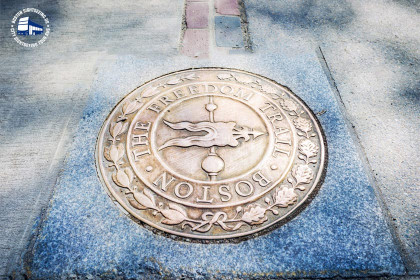
Explore the Freedom Trail, Boston, MA | A Walking Tour Through History
The Freedom Trail is one of Boston's most iconic attractions and one of the most important historic walking routes in the United States. Stretching through Downtown Boston, the North End, and Charlestown, the trail connects landmark sites that played a pivotal role in the American Revolution and the nation's journey to independence.
Along the route, visitors can explore famous destinations including Boston Common, Massachusetts State House, Faneuil Hall, Paul Revere House, Old North Church, USS Constitution, and Bunker Hill Monument. Each stop offers a unique opportunity to discover the people, events, and places that helped shape American history.
Whether you're interested in Revolutionary War history, historic landmarks, architecture, guided tours, or self-guided sightseeing experiences, the Freedom Trail provides one of the most rewarding ways to explore Boston while experiencing the story of America's founding.
Famous Freedom Trail Stops
The Freedom Trail is best known for connecting some of the most important historic landmarks in the United States. Each stop along the route contributes to the story of colonial Boston, the American Revolution, and the nation's journey toward independence. Together, these landmarks create one of America's most significant historical experiences.
Visitors following the trail encounter public spaces, churches, meeting houses, burial grounds, historic homes, and monuments that preserve Boston's revolutionary heritage.
Boston Common
Boston Common serves as the traditional starting point of the Freedom Trail and is recognized as America's oldest public park. For centuries, it has played an important role in the civic and social life of the city. Today, visitors begin their Freedom Trail journey here while enjoying one of Boston's most iconic public spaces.
Massachusetts State House
Located adjacent to Boston Common, the Massachusetts State House is one of Boston's most recognizable landmarks. Its prominent position and historic significance make it an important stop along the trail. The building continues to serve as the seat of Massachusetts government while remaining a symbol of the state's political history.
Park Street Church
Park Street Church is one of the most notable religious landmarks along the Freedom Trail. Its historic architecture and connection to important social and religious movements have made it a significant part of Boston's heritage. The church remains an important landmark within the city's historic landscape.
Granary Burying Ground
Granary Burying Ground is one of Boston's most famous historic cemeteries and contains the graves of several influential figures from the colonial and revolutionary eras. Visitors often stop here to learn about the individuals who helped shape American history and Boston's development.
King's Chapel
King's Chapel is one of Boston's oldest religious institutions and represents an important part of the city's colonial history. The site provides insight into Boston's religious, cultural, and architectural heritage. Its historic significance continues to attract visitors interested in the city's early history.
Old South Meeting House
The Old South Meeting House played a crucial role in events leading to the American Revolution. Public gatherings and discussions held here helped shape the political climate that ultimately contributed to the movement for independence. Today, it remains one of the most important historical landmarks on the Freedom Trail.
Old State House
The Old State House served as a center of government during the colonial period and witnessed many events associated with the American Revolution. Its historical importance makes it one of the most significant stops along the route. Visitors can explore the building while learning about Boston's role in shaping the nation's future.
Faneuil Hall
Often referred to as the "Cradle of Liberty," Faneuil Hall played a central role in public debate and political discussion during the colonial era. The site became a gathering place where ideas about freedom and independence were openly discussed. It remains one of Boston's most famous historic attractions.
Paul Revere House
The Paul Revere House is the former home of one of the most recognized figures associated with the American Revolution. Visitors can learn about Paul Revere's life and contributions while exploring one of the oldest surviving buildings in Boston. The house remains a major highlight of the Freedom Trail experience.
Old North Church
Old North Church is closely associated with Paul Revere's famous midnight ride and remains one of the most iconic landmarks connected to the American Revolution. Its role in one of the most well-known events in American history makes it a must-see destination for visitors following the trail.
USS Constitution
Located in Charlestown, USS Constitution is the oldest commissioned naval vessel still afloat. The ship represents an important chapter in American naval history and serves as a symbol of the nation's maritime heritage. It remains one of Boston's most visited historical attractions.
Bunker Hill Monument
The Freedom Trail concludes at Bunker Hill Monument, which commemorates one of the earliest major battles of the American Revolution. The monument stands as a tribute to the individuals who fought during the conflict and helped shape the nation's future. Although popularly known as the Battle of Bunker Hill, much of the fighting and the colonial redoubt took place on nearby Breed's Hill. Its historical significance makes it a fitting final stop on the trail.
Why These Stops Matter
The landmarks along the Freedom Trail collectively tell the story of Boston's role in the American Revolution and the founding of the United States. Each site contributes a unique chapter to the larger narrative, helping visitors understand how events in Boston influenced the course of American history. Together, these stops create one of the most meaningful and educational sightseeing experiences in the country.
Planning Your Freedom Trail Visit
Planning ahead can help visitors make the most of their Freedom Trail experience. Whether you choose a self-guided walk, a guided tour, or a broader Boston sightseeing itinerary, the trail offers a flexible way to explore some of the city's most important historic landmarks while learning about the American Revolution and Boston's role in the nation's founding.
Because the route connects multiple attractions across several neighborhoods, understanding how to navigate the trail can enhance both convenience and enjoyment.
Why Visit the Freedom Trail?
The Freedom Trail is one of Boston's most important attractions and one of the most meaningful historical experiences in the United States. By connecting many of the city's most significant landmarks, the trail allows visitors to explore the events, people, and places that helped shape American history while experiencing some of Boston's most iconic neighborhoods.
Whether you're interested in history, education, architecture, culture, or sightseeing, the Freedom Trail offers a unique opportunity to experience Boston's revolutionary heritage firsthand.
Explore Historic Boston With Boston Sightseeing
The Freedom Trail offers one of the most powerful introductions to Boston's revolutionary history, but it represents only part of the story that makes the city one of America's most important cultural and historic destinations. Beyond the trail, visitors can discover additional neighborhoods, landmarks, waterfront attractions, and sightseeing experiences that showcase Boston's unique character and centuries of history.
For many travelers, the Freedom Trail serves as the perfect starting point for a broader exploration of Boston.
Frequently Asked Questions
What is the Freedom Trail?
The Freedom Trail is a historic walking route in Boston that connects some of the most important landmarks associated with colonial America, the American Revolution, and the founding of the United States. It provides visitors with an opportunity to explore historic sites while learning about Boston's role in American history.
How long is the Freedom Trail?
The Freedom Trail extends approximately 2.5 miles (4 kilometers) through Boston and connects multiple historic landmarks, public spaces, churches, meeting houses, monuments, and museums.
Where does the Freedom Trail start?
The Freedom Trail traditionally begins at Boston Common, America's oldest public park, and continues through Downtown Boston, the North End, and Charlestown before ending at Bunker Hill Monument.
How long does it take to walk the Freedom Trail?
The amount of time required varies depending on how many attractions visitors choose to explore. Many travelers spend several hours walking the trail, while those visiting museums and historic buildings often dedicate most of a day to the experience.
What are the most famous Freedom Trail stops?
Some of the most well-known Freedom Trail landmarks include:
- Boston Common
- Massachusetts State House
- Granary Burying Ground
- Old South Meeting House
- Old State House
- Faneuil Hall
- Paul Revere House
- Old North Church
- USS Constitution
- Bunker Hill Monument
These sites collectively tell the story of Boston's revolutionary heritage.
Is the Freedom Trail free?
Visitors can walk the Freedom Trail route free of charge. However, some museums, historic buildings, and attractions along the trail may require admission fees for entry.
Can you walk the Freedom Trail without a guide?
Yes. Many visitors choose a self-guided experience and follow the route independently. Others prefer guided tours that provide additional historical context and storytelling throughout the journey.
Why is the Freedom Trail important?
The Freedom Trail preserves and connects landmarks associated with the American Revolution and the nation's founding. It helps visitors understand Boston's central role in the struggle for independence and serves as one of the country's most important educational and historical resources.
Is the Freedom Trail worth visiting?
Yes. The Freedom Trail is widely considered one of Boston's top attractions because it combines history, architecture, education, culture, and sightseeing into a single experience. It is especially valuable for visitors interested in American history and revolutionary heritage.
What neighborhoods does the Freedom Trail pass through?
The Freedom Trail passes through several historic Boston neighborhoods, including:
- Downtown Boston
- Government Center
- North End
- Charlestown
These neighborhoods contain many of the landmarks and historic sites associated with the trail.
What is the best time to visit the Freedom Trail?
The Freedom Trail can be explored year-round, although spring, summer, and fall are particularly popular due to favorable weather conditions and increased opportunities for guided tours, events, and outdoor sightseeing.
Why is the Freedom Trail one of Boston's most popular attractions?
The Freedom Trail combines some of Boston's most important historic sites into a single walkable experience. Its educational value, historical significance, and accessibility make it one of the city's most visited and highly regarded attractions.
Boston Attractions


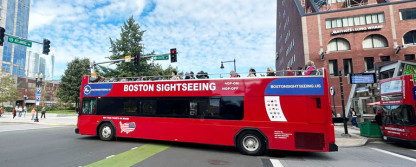
Single Ride Pass
$33.25
Explore Boston in 90 Minutes
Ride above the crowd and enjoy the panoramic view of Boston
- Boston City Tour Single Ride Pass
- Stop-1 to Stop-8
- Blue Route Tour
- Double-Decker Bus Tour
- 90 Minutes Tour
- 1 Day Validity
- Hop-on Hop-off Tour
- Charlestown Sightseeing Tour
You might also like
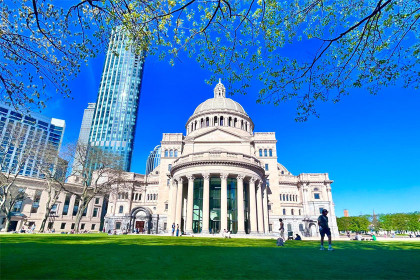
Best Museums to Visit in Boston
Boston is home to some of the most fascinating museums in the United States, offering visitors the chance to explore world-class art.

Best Boston Tours For Every Type Of Vacation
Compare the best Boston tours for every traveler, including Boston sightseeing tours, Freedom Trail tours, harbor cruises, food tours & more.

7 Best Indoor Activities in Boston for kids, adults and families
Boston offers an impressive range of indoor attractions for every type of traveler. From world-renowned museums and historic.