


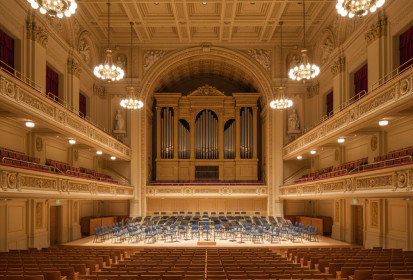
Boston Symphony Hall
Boston Symphony Hall is the historic home of the Boston Symphony Orchestra and the Boston Pops, located at 301 Massachusetts Avenue at the corner of Huntington Avenue in the Back Bay. Opened in 1900, Symphony Hall is one of the oldest concert halls in the United States and is widely regarded as one of the most acoustically accurate venues in the world, largely because it was the first concert hall ever designed using scientific acoustic principles. This guide covers the hall's history, its interior and seating capacity, what makes its acoustics so well regarded, and how to visit.
History
Symphony Hall was built in 1900 for the Boston Symphony Orchestra, which the philanthropist Henry Lee Higginson had founded in 1881. Higginson wanted a permanent concert hall that could match the great European houses he admired, including the Musikverein in Vienna and the Concertgebouw in Amsterdam, and he hired the architecture firm McKim, Mead & White to design it. Rather than relying on the horseshoe-shaped, ornately decorated halls common in Europe at the time, the architects worked with Harvard physics instructor Wallace Clement Sabine, considered the founder of modern architectural acoustics, to shape the hall's interior specifically for sound. Symphony Hall is designated a National Historic Landmark, and the National Park Service classifies its exterior design as Italian Renaissance in style.
Interior & Seating Capacity
Symphony Hall holds 2,625 people: 1,486 seats on the main orchestra floor, 598 in the first balcony, and 541 in the second balcony. The hall follows a rectangular "shoebox" floor plan rather than the fan or horseshoe shapes used in many European opera houses, a choice Sabine made because long, narrow rooms with flat, parallel walls reflect sound more evenly throughout the space. The interior is lined with statues of classical and mythological figures set into niches along the side walls, a design detail that, along with the coffered ceiling, helps scatter sound rather than letting it bounce directly back at the audience.
Acoustics
Symphony Hall's acoustics are considered among the best of any concert hall in the world, and it is frequently cited alongside Vienna's Musikverein and Amsterdam's Concertgebouw as one of the three most acoustically admired halls on earth. Its rectangular shoebox shape, hard plaster walls, and raked seating work together to give the hall a long, warm reverberation that lets orchestral sound bloom without becoming muddy. Sabine's acoustic calculations for Symphony Hall, based on his earlier research measuring how different materials absorb sound, are still referenced today as the starting point for modern concert hall design.
Significance
Since opening in 1900, Symphony Hall has hosted the Boston Symphony Orchestra's regular season as well as the Boston Pops, and it has welcomed many of classical music's leading conductors, composers, and soloists over its history, including appearances tied to the orchestra's long-running recording and broadcast history. The hall has played a central role in establishing Boston as a hub for American classical music, and its acoustic design influenced later concert halls built across the United States. Today it remains in continuous use for the BSO and Pops seasons, as well as guest performances, lectures, and private events.
Visiting Symphony Hall
Symphony Hall is located at 301 Massachusetts Avenue, Boston, MA 02115, near Copley Square and the rest of the Back Bay.
Free public tours. The Boston Symphony Orchestra offers free, walk-up public tours of Symphony Hall's public spaces and select behind-the-scenes areas, typically running about an hour to 90 minutes. Reservations are recommended but not required; current tour dates are posted on the BSO's own tour page.
Private group tours. Groups of 10 or more can book a private tour for 30perperson(20 per person if attending a BSO or Pops concert the same day), with tours free for local K-12 school and youth groups. Private tours should be booked at least 15 days in advance.
Concert tickets. Tickets for BSO and Boston Pops performances are sold directly through the orchestra. Visitors combining a Symphony Hall visit with other Boston sightseeing can also check Boston Sightseeing's own Single Ride Pass for a convenient way to reach nearby attractions.
Nearby Attractions
Symphony Hall sits in the Back Bay, within easy reach of several other Boston landmarks. Copley Square and its surrounding shops and architecture are a short walk away, and the neighborhood is home to several of the best museums to visit in Boston, including the Nichols House Museum on nearby Beacon Hill. Visitors spending a day in the area often pair a Symphony Hall tour with a broader look at Back Bay's architecture and museums before moving on to other parts of the city.
Planning Your Boston Tour
Because Symphony Hall is best explored on foot alongside the rest of the Back Bay, many visitors pair it with a wider look at the city. Boston Sightseeing's hop-on hop-off bus stops near the Back Bay and other Boston neighborhoods, making it easy to see Symphony Hall's surroundings and then continue on to other landmarks at your own pace. A Single Ride Pass covers a single loop, while full tour packages include unlimited hop-on hop-off access across the day.
Frequently Asked Questions
What is the seating capacity of Boston Symphony Hall?
Symphony Hall seats 2,625 people: 1,486 on the main floor, 598 in the first balcony, and 541 in the second balcony.
Where is Boston Symphony Hall located?
Symphony Hall is at 301 Massachusetts Avenue, Boston, MA 02115, at the corner of Massachusetts and Huntington Avenues in the Back Bay, close to Copley Square.
What shape is the inside of Symphony Hall?
Symphony Hall follows a rectangular "shoebox" floor plan, not a horseshoe shape. Architect Wallace Clement Sabine chose the long, narrow, flat-walled design specifically because it spreads sound more evenly than curved or fan-shaped halls.
What architectural style is Boston Symphony Hall?
The National Park Service's National Historic Landmark documentation classifies Symphony Hall's exterior as Italian Renaissance in style, designed by the firm McKim, Mead & White.
When was Boston Symphony Hall built?
Symphony Hall opened in 1900 for the Boston Symphony Orchestra, which had been founded in 1881 by Henry Lee Higginson.
Can you tour Boston Symphony Hall?
Yes. The BSO offers free, walk-up public tours of the hall's public and select behind-the-scenes spaces, as well as paid private group tours for groups of 10 or more.
Is Boston Symphony Hall near other Boston attractions?
Yes. It sits in the Back Bay, within walking distance of Copley Square and several of Boston's major museums, making it easy to combine with a wider day of Back Bay sightseeing.

Michael R. Thompson
Writer
Navigating the streets of Boston requires more than just a map; it requires the kind of insight that only 20...
Boston Attractions


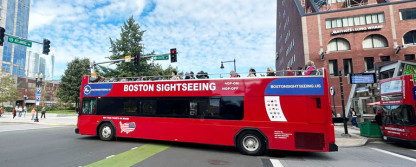
Single Ride Pass
$33.25
Explore Boston in 90 Minutes
Ride above the crowd and enjoy the panoramic view of Boston
- Boston City Tour Single Ride Pass
- Stop-1 to Stop-8
- Blue Route Tour
- Double-Decker Bus Tour
- 90 Minutes Tour
- 1 Day Validity
- Hop-on Hop-off Tour
- Charlestown Sightseeing Tour
You might also like
Fall Things To Do in Boston | Boston Sightseeing
Fall is one of the most scenic and popular seasons to explore Boston, with colourful foliage, historic neighborhoods, waterfront attractions...
What to Do in Boston On Next Weekend
This guide covers what to see and do whether you're here this weekend, next weekend, or fitting a short visit into any two or three days.
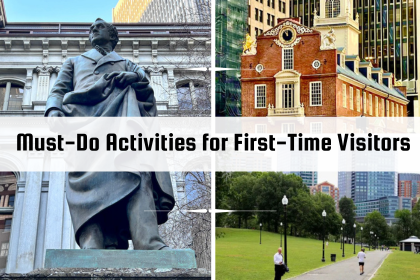
15 Must-Do Activities for First-Time Visitors to Boston
Planning your first Boston trip? Explore 15 must-do activities, top attractions, historic landmarks, museums, neighborhoods, and waterfront.